
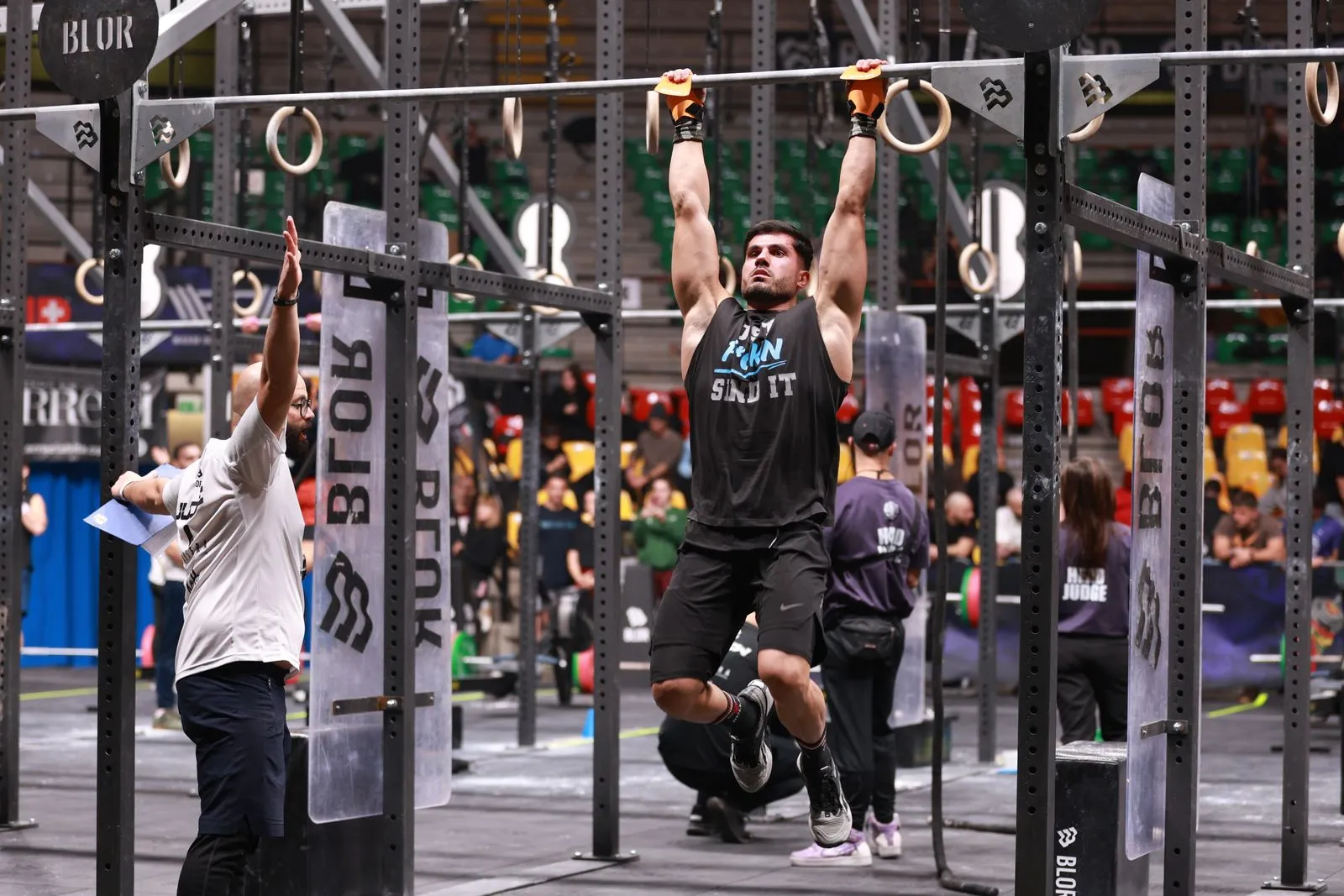
CrossFit combines lifting, bodyweight skills, and conditioning, so progress depends on more than pushing through a workout. Focused strength sessions can help you build the force and control needed for movements such as squats, presses, and pull-ups. They can also give you time to practice technique without the pressure of racing a clock. When planned alongside varied workouts, strength training supports better movement and more consistent effort—not just heavier lifts.
Build a stronger movement base
Strength work gives you a chance to practice foundational patterns with manageable loads: squatting, hinging, pressing, pulling, and carrying. Repeating these movements with attention to posture and range of motion helps you understand how to create and control force. That foundation can make CrossFit movements feel more familiar, especially when a workout combines several exercises or adds fatigue.
Choose loads that let you maintain good form through every repetition. Increase weight gradually only when you can move through the intended range without losing control. If a movement causes pain or your technique breaks down, reduce the load, adjust the movement, or ask a qualified coach for guidance.
Practice skills with less pressure
Gymnastics and weightlifting skills require timing as well as strength. A dedicated session can make room for deliberate practice of skills such as strict pull-ups, handstand positions, or barbell technique. Breaking a movement into simpler steps lets you work on one challenge at a time instead of trying to solve everything during a fast workout.
Use drills and variations that match your current ability. For example, build pulling strength with controlled rows or assisted pull-ups before attempting more demanding repetitions. Keep practice sets crisp and stop before fatigue changes your form. A coach can help select progressions that challenge you while keeping the movement repeatable.
Support conditioning, not compete with it
Greater strength can make a given task feel less demanding relative to your capacity. That may help you handle workout loads with more control and maintain sound movement as effort rises. Strength alone does not replace aerobic work, pacing, or skill practice, but it can contribute to a well-rounded training plan when those elements receive attention too.
Balance demanding lifting with conditioning thoughtfully. Avoid turning every strength session into a test, especially if a hard workout is scheduled nearby. Adjust the load, volume, or workout intensity when you feel unusually tired or your technique slips. Recovery, including rest and adequate food and fluids, helps you make productive use of your training.
Plan sessions around your needs
A useful plan starts with a specific goal, such as improving squat control, building pressing strength, or developing a strict pull-up. Keep notes on the movements, loads, and how the session felt. This makes it easier to spot progress and gives you useful information when deciding whether to add weight, repeat a load, or take an easier day.
Your schedule should reflect your experience, recovery, and other activities. Newer athletes may benefit from learning movement basics before adding extra lifting sessions. More experienced athletes can coordinate focused strength work with CrossFit classes so hard efforts do not pile up without a clear purpose. Dallas Masters CrossFit can help members discuss options with a coach and adapt movements to their needs.
Strength sessions work best when they support the skills and conditioning you want to improve. Practice sound technique, progress gradually, and leave room for recovery rather than chasing a personal record every time. If you are unsure how to fit lifting into your CrossFit routine, ask a qualified coach to help you build a plan that suits your goals and current training.